The Photographic
Journal
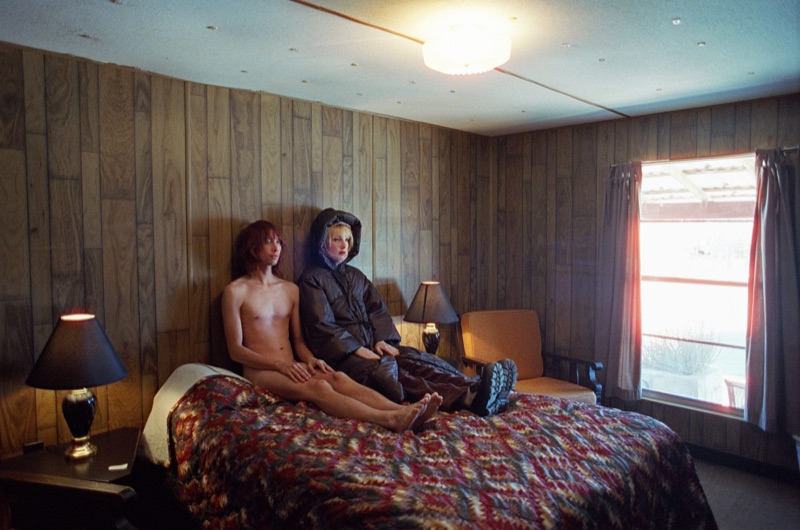
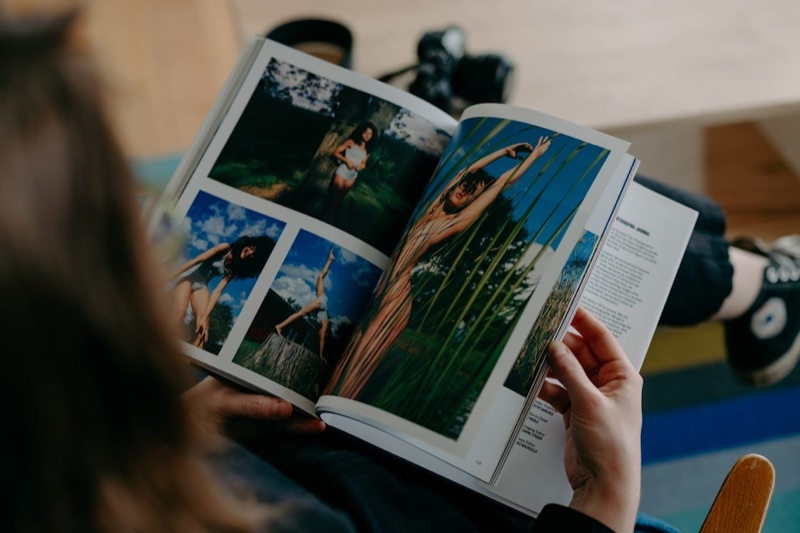


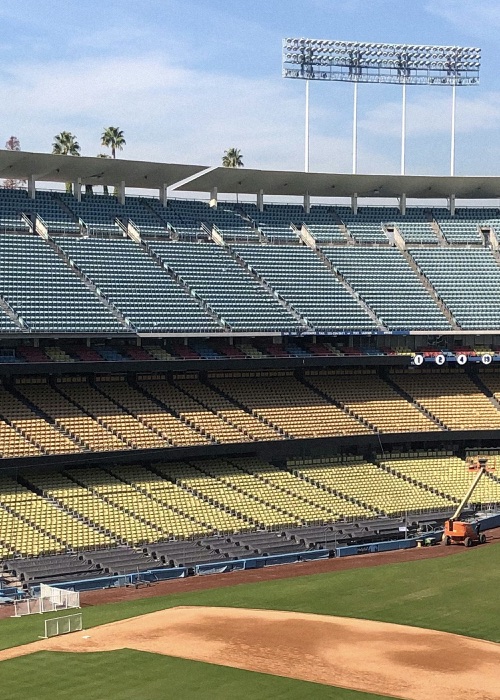
I started a photography journal in 2011 to sit with the photographers I love and figure out what makes them tick. Thirteen years later it's a community, an archive of 723 pieces, and the longest conversation I've ever had.
The original mission was one sentence: chat with the photographers we love, climb into their brains, and figure out what makes them tick. We never improved on it. Interview 001 went up on October 25, 2012: me, interviewing my friend Lou Noble. The foreword promised "the beginning of our journey," which is the kind of thing you write before you know whether anyone will care.
People cared. Lou liked the other side of the table so much that he started conducting interviews himself, and today he runs the journal as editor-in-chief. I'm still its publisher, I still conduct interviews, and in 2026 I'm designing and building its next version. It never made anybody rich, and it was never supposed to.
Read back now, those thirteen years look like an ethnographic record: one creative community of 489 photographers, mostly in their own words, collected one long conversation at a time. That's how I've come to think about it, and it's how this page is organized.
Photographers, in their own words.
Most of what we publish comes from photographers who send in their own work, from all over the world, and submissions have never once closed. A masthead of eight reads it, edits it and gives it a careful home.
Lou Noble, Editor-in-Chief · SuzAnne Steben, Managing Editor · Paige Mauriello, Essays Editor · Asa Featherstone IV and Sally Reynolds, Contributing Editors · Kate Sweeney, Staff Photographer and Photographer-in-Residence, 2016–2019 · Jason Travis, Photographer-in-Residence, 2020 · Agustin Sanchez, Founder and Publisher
The person behind the lens matters more to us than the gear. Nobody needs another firmware review.
People come back, which is what turns a magazine into a record. Emily Shur first sat with us in 2014 and returned eleven years later. Elinor Carucci and Olivia Bee have each been interviewed twice. When Kate Sweeney publishes with us the credit reads "x TPJ", because somewhere along the way we stopped being just her publisher. And our first subject became our editor. Thirteen years in, I still think that's the best thing we ever published.
The long conversation.
The interviews are the fieldwork. Each one is a long, open conversation about how a photographer works: how they find a subject, earn trust, make decisions and live with the work afterwards. I conducted the David LaChapelle interview myself in January 2026, tied to a Miami Beach show premiering nine new pieces across four decades of his work. You don't stop getting nervous. You get better at spending it.
Chris Buck said what the method buys: "I say things here that I usually keep to myself." And it still opens doors. When a London gallery announced a Joel Meyerowitz retrospective this June, Lou sent one email asking for an interview, and the yes came back the next day. That's what thirteen years of doing this carefully buys: access, with no leverage except the archive itself. We wrote his questions to get past the origin story he's told a hundred times.
“The most important thing for me was learning how to evolve instead of fighting it. But at the same time, I’ve tried very hard to hold on to my belief in an analog vision.”
Eleven things the work keeps returning to.
In 2026 we read back through all 723 pieces, the way you'd code a body of field notes, and named what the photographers kept coming back to. We didn't start from a category list. These eleven themes are what the community actually made.
- Identity self, gender, race and cultural belonging
- Intimacy close relationships and the private made visible
- Memory nostalgia, loss and the archive
- Youth adolescence and coming of age
- Isolation solitude and being apart
- Place cities, landscapes and the spirit of a location
- Performance the body in motion before an audience
- Night darkness and artificial light
- Desire longing, beauty and the gaze
- Labor work, craft and the dignity of physical effort
- Family parents, children, chosen and biological kinship
Each theme opens with a question in the journal's voice, and the editors can rewrite any of them.
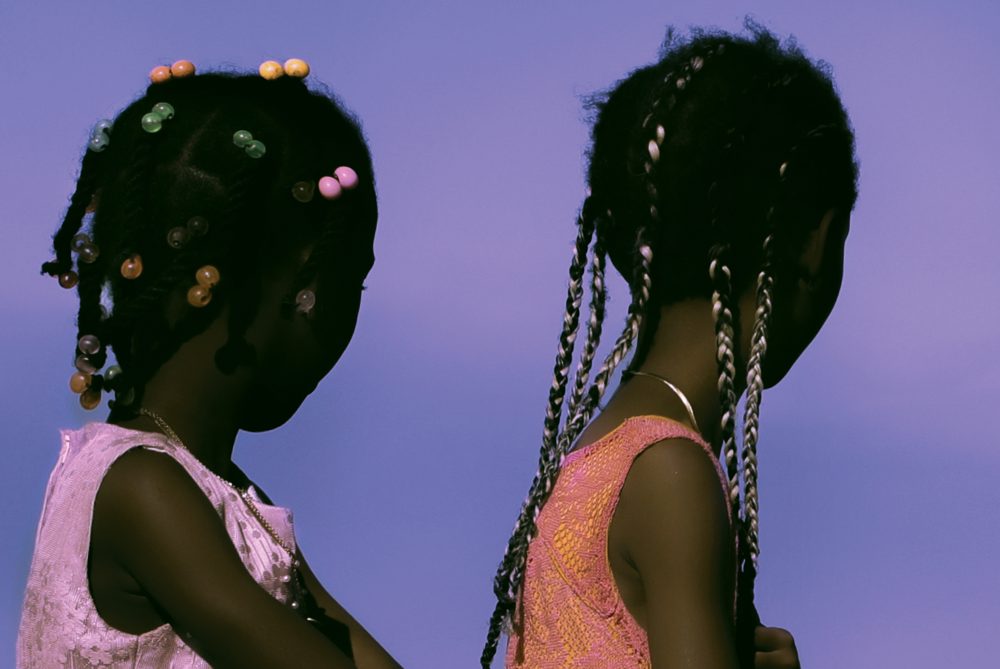
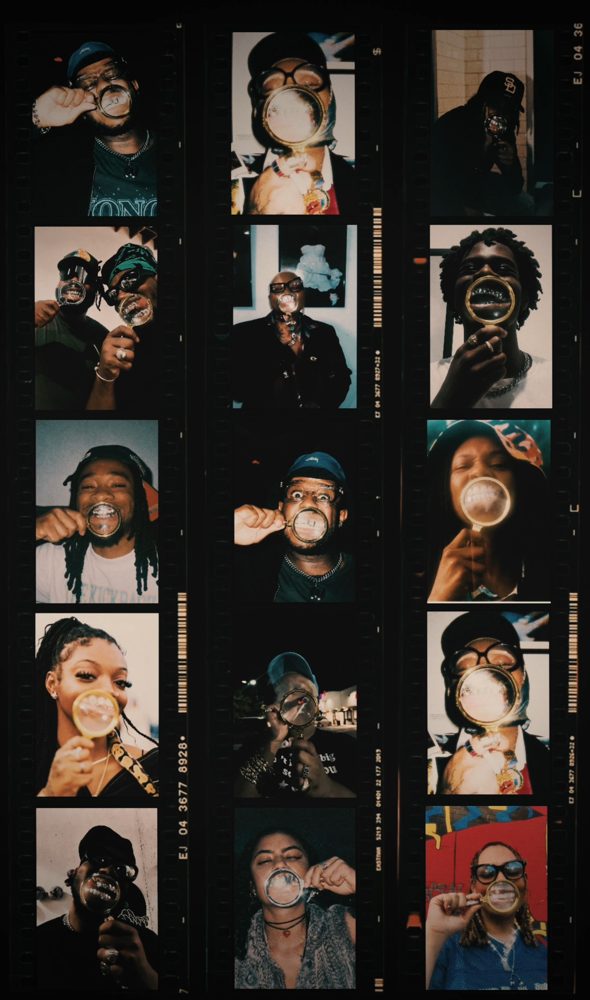
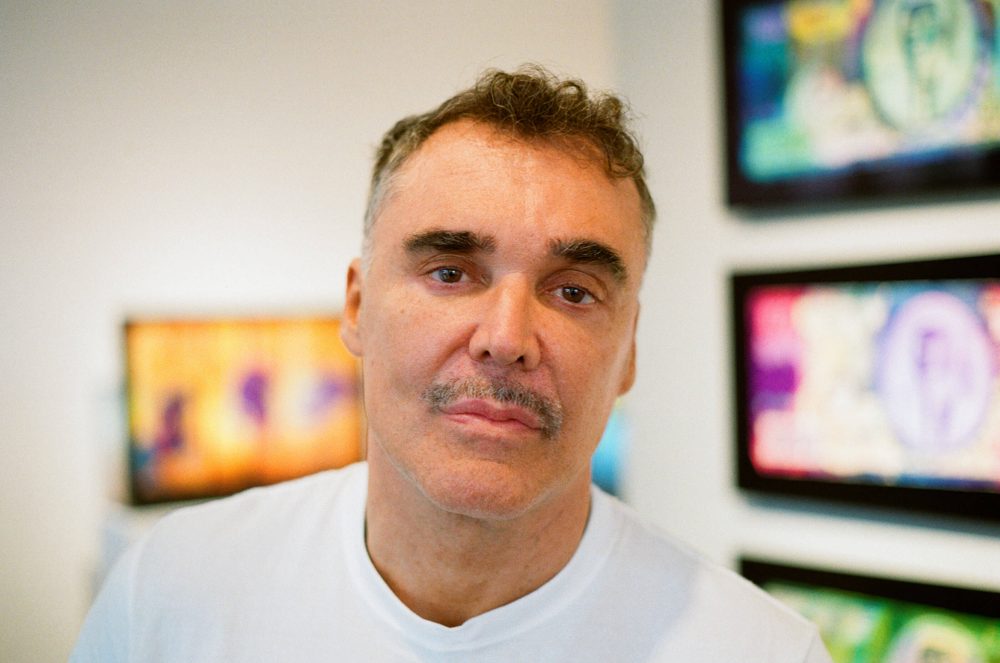
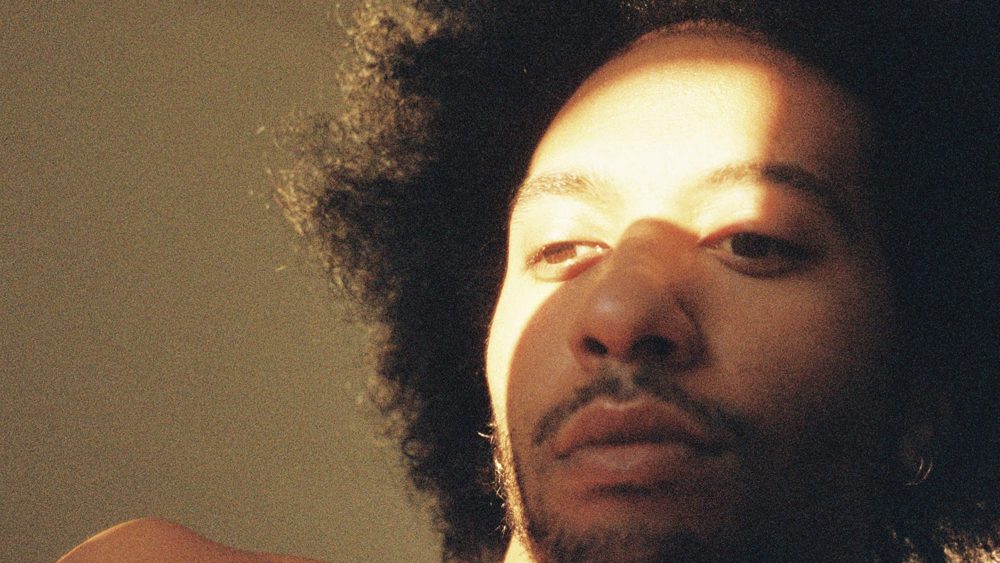
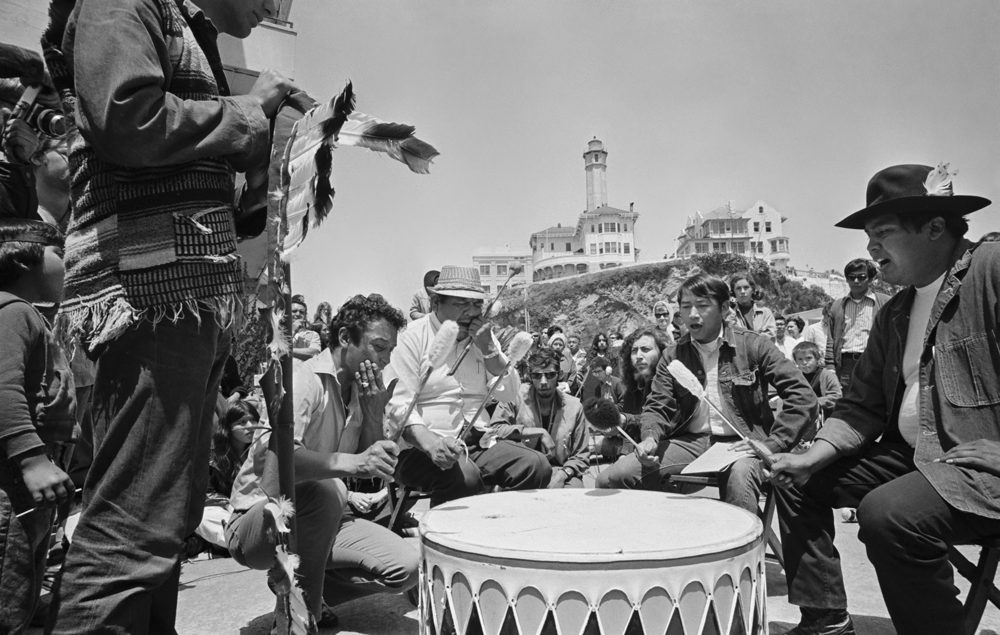
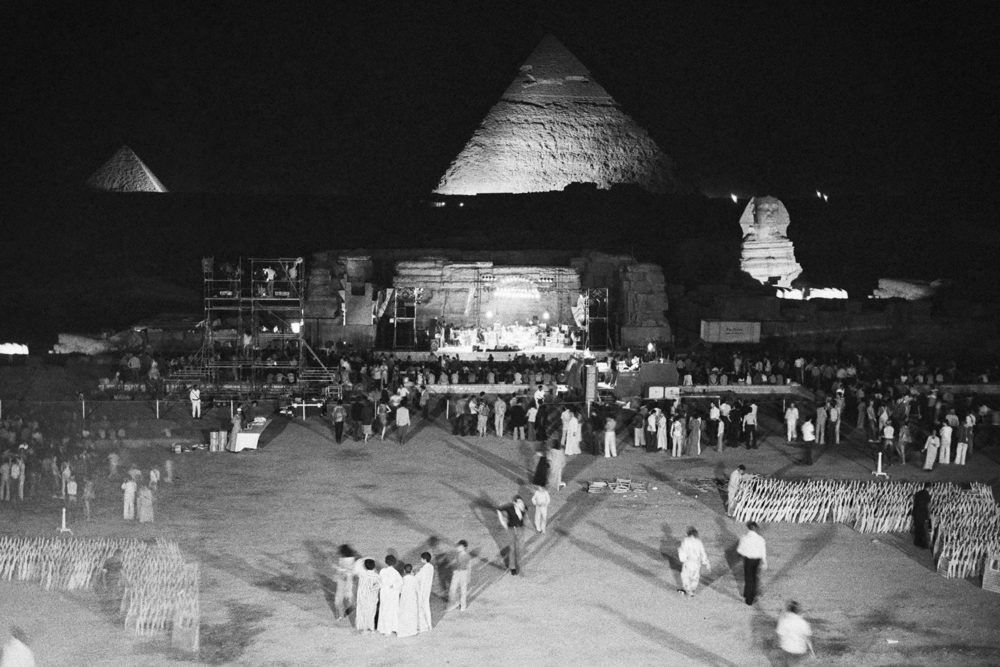
A record you can
move through.
For thirteen years the archive knew what it had published and almost nothing about who and what was in it. You couldn't follow a photographer or browse by idea. So in 2026 I started rebuilding it myself, as its designer and builder, so a reader can move through the record the way the community made it.
Every photographer gets a page.
Each photographer now has a page with their bio, their links and everything they've published with the journal, and a story can credit more than one photographer. The community is findable by name.
Made for the long conversation.
Questions and answers are set in different typefaces, so a reader always knows who's talking. Any image opens full screen, and arrow keys or a swipe move through the set.
Choosing what leads.
We dropped a whole content type, Collections, because readers couldn't tell it apart from Themes. Our favorite name, Editorial Lens, became Theme, because the clear name won. For the relaunch spotlight we picked Kate Sweeney over David LaChapelle, so the journal leads with the work of its community.
Creative cross-training.
Thirteen years of these conversations taught me something I now call creative cross-training. Once you've learned how to approach one craft, the next one gets easier, and they all start feeding each other. I colored comic books in my twenties, I still photograph people, and I'm learning to sew. It's the same curiosity that sent me looking for photographers to talk to in 2011, and it's the thread between this journal and everything else I make.
605 photo essays
Made and submitted by photographers from around the world since 2012.
98 interviews
Long conversations about process, from first-time contributors to David LaChapelle and Alec Soth.
489 photographers
Each has a page in the archive, with everything they've published with us.